
July 29th
Lulus Sag
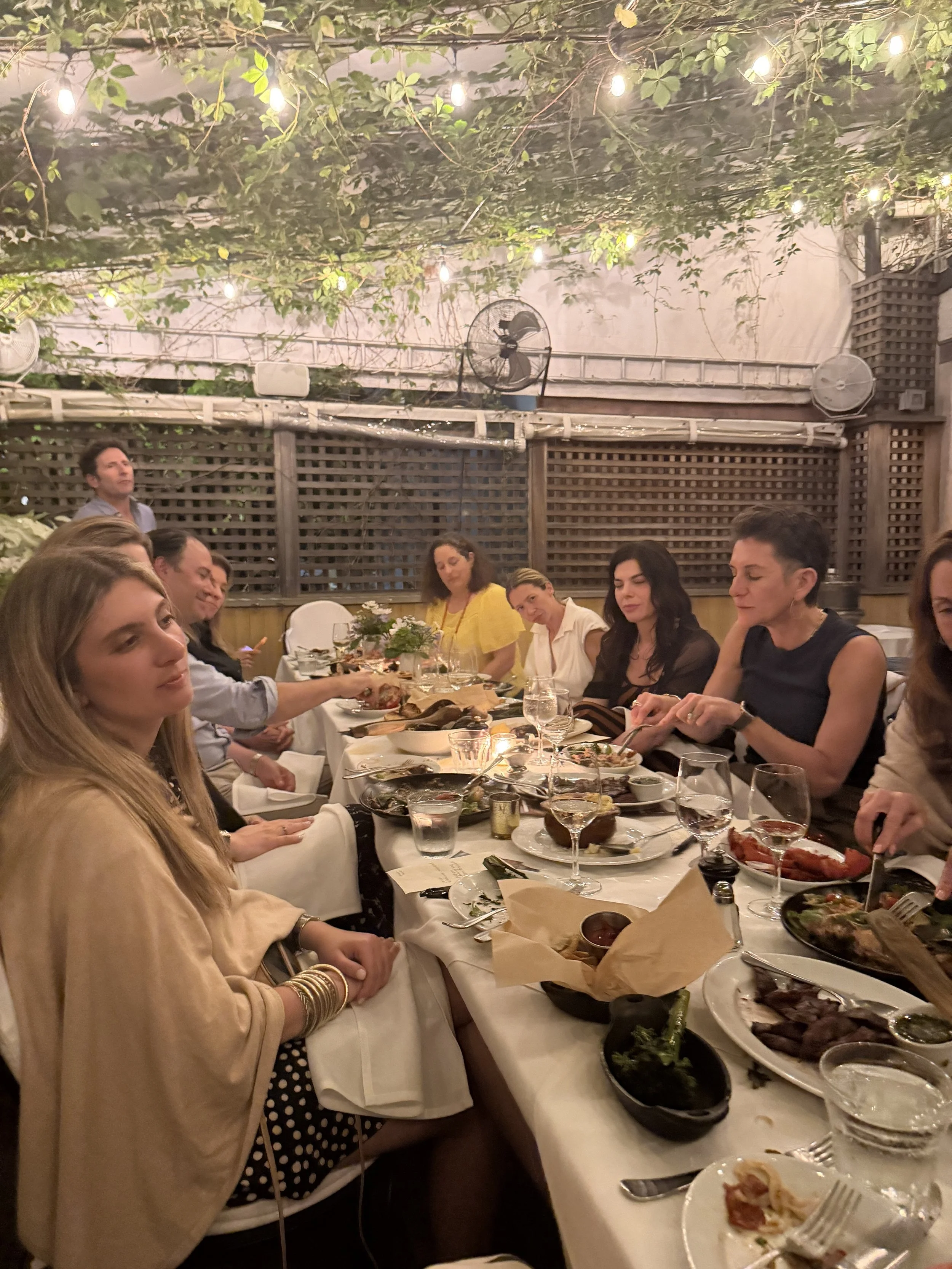
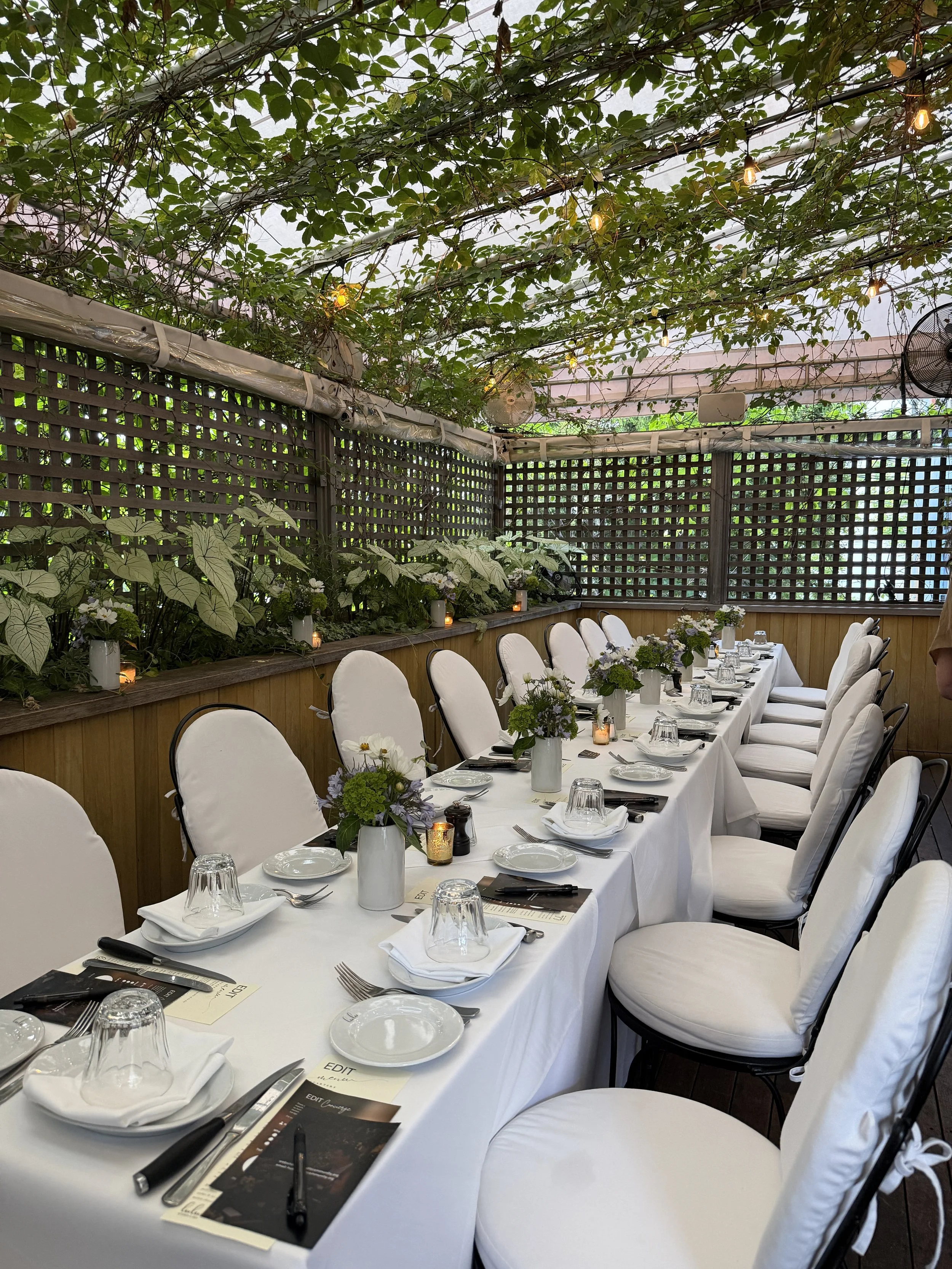
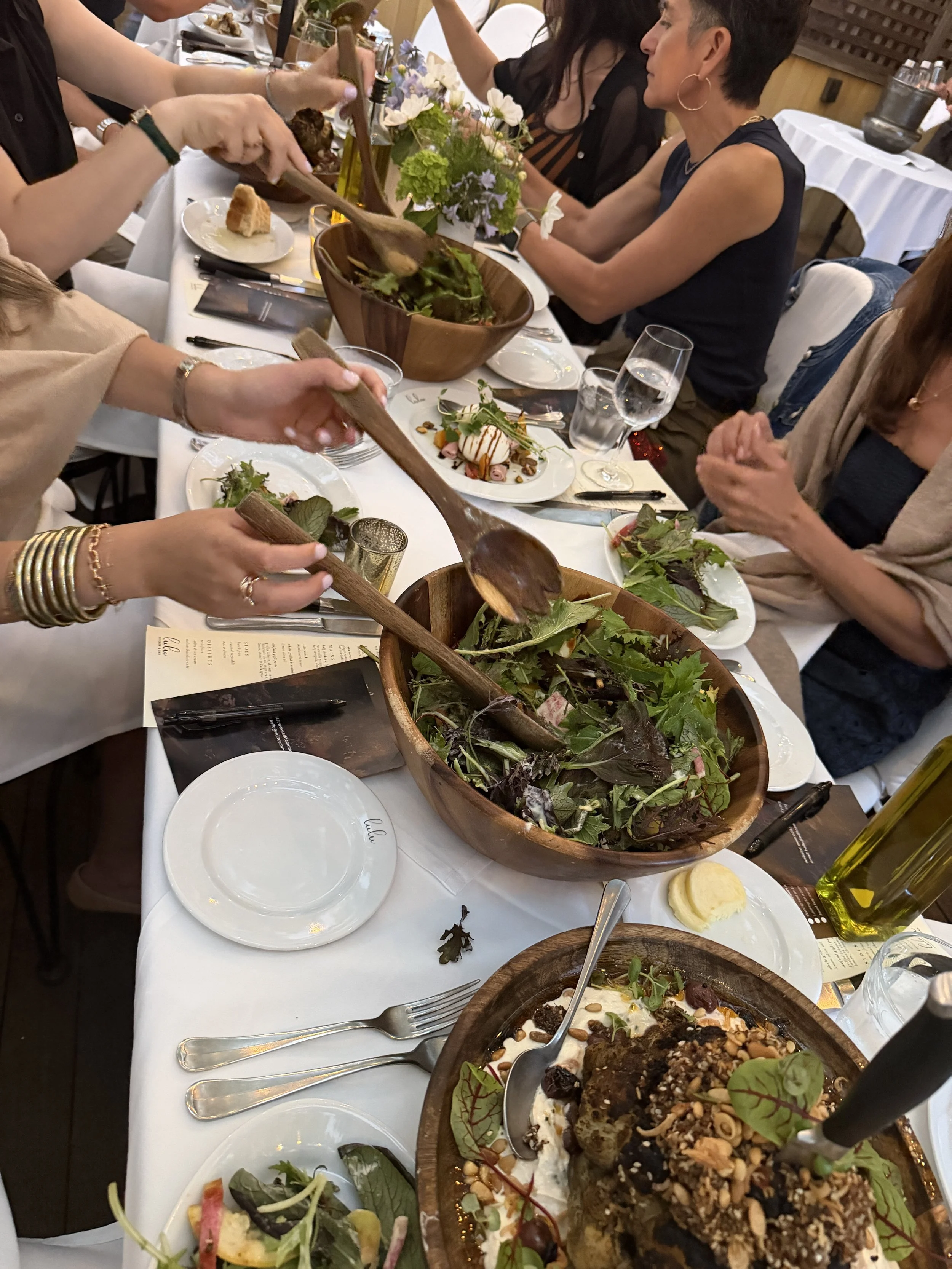
🕯 THEME OF THE NIGHT
Move from advocacy to infrastructure. Fund the storytellers. Build the platforms. Play the long game.
The Needs of the Community
🎬 STORYTELLING, FILM & CREATIVE VOICE
Lawrence Bender (Producer) — Producer of films including Pulp Fiction and Good Will Hunting, Lawrence reflected on shifting his creative focus toward Jewish storytelling after experiencing the lack of support from many former collaborators following October 7. His recent work includes The Road Between Us and Red Alert, and he is developing additional Jewish projects. His biggest need is funding to bridge the gap between powerful stories and the capital required to bring them to life. He offers decades of filmmaking experience and a pipeline of meaningful stories ready to be told.
Stephanie Butnick (Golda Guide) — Stephanie spoke about leaving traditional journalism to build Golda, a Jewish lifestyle media company celebrating Jewish culture through newsletters, podcasts, live events, and products. She believes people are hungry for joyful expressions of Jewish identity beyond crisis and advocacy. She's continuing to grow Golda's community through experiences like Mahjong nights and editorial storytelling, while offering expertise in audience building, media, and community engagement.
Mark Feuerstein (Actor & Producer) — Mark shared that after spending the past two years leading fundraisers and conversations around antisemitism, he's searching for how to use his platform most effectively going forward. As he prepares to travel to Israel to film for the Y Israel Network, he's looking for advice on telling authentic stories that help Americans better understand everyday life in Israel. He offers a trusted public platform and a deep commitment to using storytelling to educate, connect, and build empathy.
JJ Adler (Writer & Comedian) — JJ shared how the alternative comedy community shifted dramatically after October 7 and discussed the growing need for spaces where Jewish comedians and writers can continue creating together. Through projects like "Evil Zionist Dinners," she is intentionally building community within entertainment while continuing to work in comedy and commercial production. She offers connections throughout writers' rooms and the comedy world.
Daniella Kahane (Filmmaker & Founder, ATOOF) — Founder of the luxury Judaica brand Atoof, Daniella believes Jewish storytelling should place Israel within the broader context of democracy and connect with other communities that have faced persecution and displacement. She is currently producing Poisoned Ivy, a documentary examining antisemitism on college campuses following October 7. She offers both creative and entrepreneurial perspectives on bringing Jewish stories to wider audiences.
🎭 IDENTITY, EDUCATION & COMMUNITY
Abby Levy (Investor and Advisor) — Abby emphasized that Jewish education remains one of the community's greatest unmet needs, arguing that while many organizations focus on responding to antisemitism, far fewer are investing in the long-term educational infrastructure necessary to build resilient Jewish identity. She also challenged the technology community to become more visible and engaged, noting that many allies remain supportive but quiet.
Abby Russell (Comedian & Producer) — Abby is building community through comedy, producing Jewish comedy shows in the Hamptons while using her social platforms to unapologetically support the Jewish community. She shared that despite the challenges of the past two years, she is encouraged by signs that the cultural tide is beginning to shift. Her message: continue being loud, proud, and visibly Jewish.
Jenn Geller (Entrepreneur & Community Leader) — Jen shared her work supporting Israel through philanthropy and mental health initiatives, including efforts to rebuild Kibbutz Be'eri. A technology founder herself, she continues looking for creative ways to connect everyday acts of generosity with meaningful impact, including encouraging charitable giving through celebrations and milestones.
💡 CAPITAL, PHILANTHROPY & STRATEGY
Debbie Hochberg (Paul Singer Foundation) — Debbie challenged the room to think bigger about investing in Jewish storytelling. Rather than responding to every crisis, she believes philanthropy should proactively fund films, television, comedy, and cultural projects that inspire pride and strengthen Jewish life. She is particularly interested in exploring pooled funding models that support creators across multiple disciplines instead of one-off projects.
Victoria Anesh (Fooksman Family Foundation)— Victoria is focused on funding unapologetically Zionist artists and cultural leaders, believing philanthropy should move from defense to offense by investing directly in creators shaping public conversation. She also raised the need for more coordinated funding vehicles that make it easier for donors to invest strategically across multiple creative initiatives.
Lexi Levin (Paul Singer Foundation) — Working with the Paul Singer network in South Florida, Lexi is thinking about how to convene passionate leaders around meaningful projects and high-impact content. She offers connections across philanthropy and event strategy while exploring new opportunities to mobilize supporters around Jewish initiatives.
Richard Geller (Hedge Fund Executive) — Richard shared examples of supporting security initiatives in Israel while also engaging in advocacy efforts closer to home. His perspective centered on using both capital and influence to strengthen Jewish institutions and defend democratic values. He also highlighted the Substack article The People Who Know Nothing Know Everything, which he encouraged everyone to read.
📚 IDEAS & BIG QUESTIONS
Several ideas surfaced repeatedly throughout the evening:
Jewish philanthropy needs stronger infrastructure for funding media, television, comedy, and film.
Facts rarely change minds—but stories do.
Jewish education remains one of the highest-leverage investments the community can make.
Community is increasingly being built through joyful cultural experiences, not only advocacy.
There is enormous creative talent already doing the work—the challenge is connecting it with sustained funding.
🎭 THE BIGGER CONVERSATION
Perhaps the most interesting shift from previous dinners was where the conversation began.
Instead of asking "How do we respond?" the room repeatedly asked "What are we building?"
Whether discussing media funds, Jewish education, cultural institutions, philanthropy, comedy, or film, there was broad agreement that the community's greatest opportunity lies not simply in defending itself, but in investing confidently in the people and ideas that will shape Jewish life for decades to come.
Build what you wish already existed.